
How Restaurant Dining Became a Social Identity Marker in Modern America
By Dana Whitaker · April 28, 2026 · Research
Look, restaurant dining today is less about necessity and more about narrative. People do not just choose where to eat—they choose what that decision says about them (compared to alternatives). In urban centers across the U.S., restaurant selection has become a form of self-expression, shaped by cultural awareness, socioeconomic signaling, and even political identity. The act of dining out has transformed into a performative behavior, one that communicates values and aspirations in subtle but powerful ways.
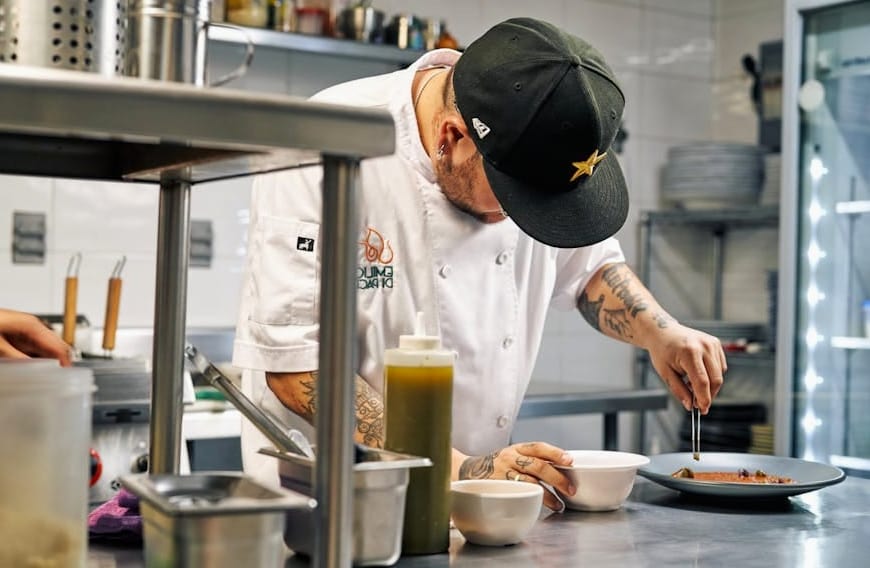
The Rise of Dining as Performance
Here is the thing, the rise — and this is important — of social media has amplified this dynamic exponentially. Platforms like Instagram and TikTok have turned meals into content, and restaurants into stages. The psychological impact is profound. Generally speaking, diners are no longer just participants—they are curators of their own public personas. A meal is judged not only by taste but by its visual appeal and shareability. This shift has forced restaurants to adapt, prioritizing aesthetics and storytelling alongside traditional culinary excellence.
Cultural Capital and Strategic Choices
Look, one of the key sociological drivers here is the concept of “cultural capital.” Dining at certain establishments signals knowledge, sophistication, and access. For example, frequenting a hidden omakase spot in Los Angeles or a farm-to-table restaurant in Vermont communicates a different identity than dining at a national chain. These choices aren't random—they are strategic, even if subconsciously. People use restaurants to align themselves with specific cultural narratives.
From Consumption to Experience
Here's the thing, research from the National Restaurant Association shows that over 60 percent of millennials consider dining out an important part of their lifestyle identity. This statistic highlights a shift from consumption to experience. Restaurants are no longer just service providers—they are experience designers. They create environments that allow customers to step into a particular story, whether it is rustic authenticity, urban sophistication, or global exploration.
The Power of Exclusivity
Look, another layer to this is the role of exclusivity. Limited seating, reservation-only concepts, and pop-up experiences tap into a psychological principle known as scarcity. When access is restricted, perceived value increases. Diners are drawn to these experiences not just for the food, but for the sense of being — which matters most — part of something rare and special. This exclusivity reinforces social hierarchies and enhances the perceived status of those who participate.
The Restaurant as Social Theater
Here's the thing, chef and restaurateur Marcus Li once described his dining room as “a theater where every guest is both audience and actor.” That insight captures the dual role diners play. They consume the experience while simultaneously contributing to it. Their presence, behavior, and even attire become part of the overall atmosphere. Restaurants, in this sense, are social ecosystems where identity is both expressed and reinforced.
Belonging and Community
Look, the psychological need for belonging also plays a significant role. Restaurants often serve as communal spaces where people connect with others who share similar tastes and values. This is particularly evident in niche dining scenes, such as vegan restaurants or ethnic cuisine hubs. These spaces provide a sense of community and validation, allowing individuals to feel understood and accepted.
Escapism and Everyday Relief
Here is the thing, there is also an element of escapism involved. Dining out allows people to temporarily step outside their everyday routines and immerse themselves in a different environment. Whether it's a themed restaurant or a fine dining experience, the goal is often to create a sense of departure from the ordinary. This escapism is a powerful motivator, especially in high-stress urban lifestyles.
Designing for Identity
Look, for restaurant operators, understanding these psychological drivers is crucial. It's no longer enough to focus solely on food quality. Successful establishments design experiences that resonate on an emotional and social level. This includes everything from interior design and music to menu language and staff interaction. Every detail contributes to the overall narrative and influences how diners perceive themselves within that space.
The Future of Dining Experiences
Here is the thing, the future of restaurant dining will likely involve even greater integration of technology and personalization. AI-driven recommendations, dynamic menus, and immersive dining experiences are already emerging. These innovations aim to enhance the sense of individuality and relevance, making each visit feel uniquely tailored. As expectations continue to evolve, restaurants will need to balance innovation with authenticity.
The Trap of Trend Chasing
Look, a common mistake diners make is prioritizing trendiness over personal preference. While it's natural to seek out popular spots, this can lead to experiences that feel inauthentic or unsatisfying. The pressure to conform to social trends can overshadow genuine enjoyment. Recognizing this dynamic can help individuals make more intentional choices that align with their true tastes.
A Reflection of Modern Identity
Here is the thing, ultimately, restaurant dining is a reflection of broader societal trends. It reveals how people navigate identity, community, and aspiration in a rapidly changing world. The choices we make about where and how we eat are deeply intertwined with how we see ourselves and how we want to be seen by others.
Choosing with Awareness
Look, for those navigating this landscape, the key is awareness. Understand the forces influencing your decisions and use that knowledge to make choices that feel authentic and meaningful. Whether you are a diner or an operator, recognizing the psychological dimensions of dining can lead to more satisfying and impactful experiences.
Why Restaurants Still Matter
Here's the thing, as long as humans seek connection and self-expression, restaurants will remain central to cultural life. They're more than places to eat—they're arenas where identity is constructed, performed, and shared. And that makes them one of the most fascinating sectors in the entire food service industry.
← Back to Blog